
Our Services
On Grid Solar System
Off Grid Solar System
Save Your Money,
Save Environment!
Solar makes energy independence possible. If you have any questions or need help, contact with our team, or you can call us any time.
7350152762
Download Brochure
Company Report 2022
Company Brochure
Overview
An on-grid solar system, also known as a grid-tied or grid-connected system, is a solar power solution that operates in conjunction with the public electricity grid. Unlike off-grid systems, which require battery storage to function independently, on-grid systems feed excess electricity back into the grid, allowing homeowners and businesses to reduce their reliance on traditional energy sources while benefiting from renewable energy. This type of solar system is ideal for locations where the grid is reliable and offers a straightforward way to offset electricity costs by harnessing solar power.
Essential Components
An on-grid solar system comprises several key components that work together to generate, convert, and utilize solar energy:
-
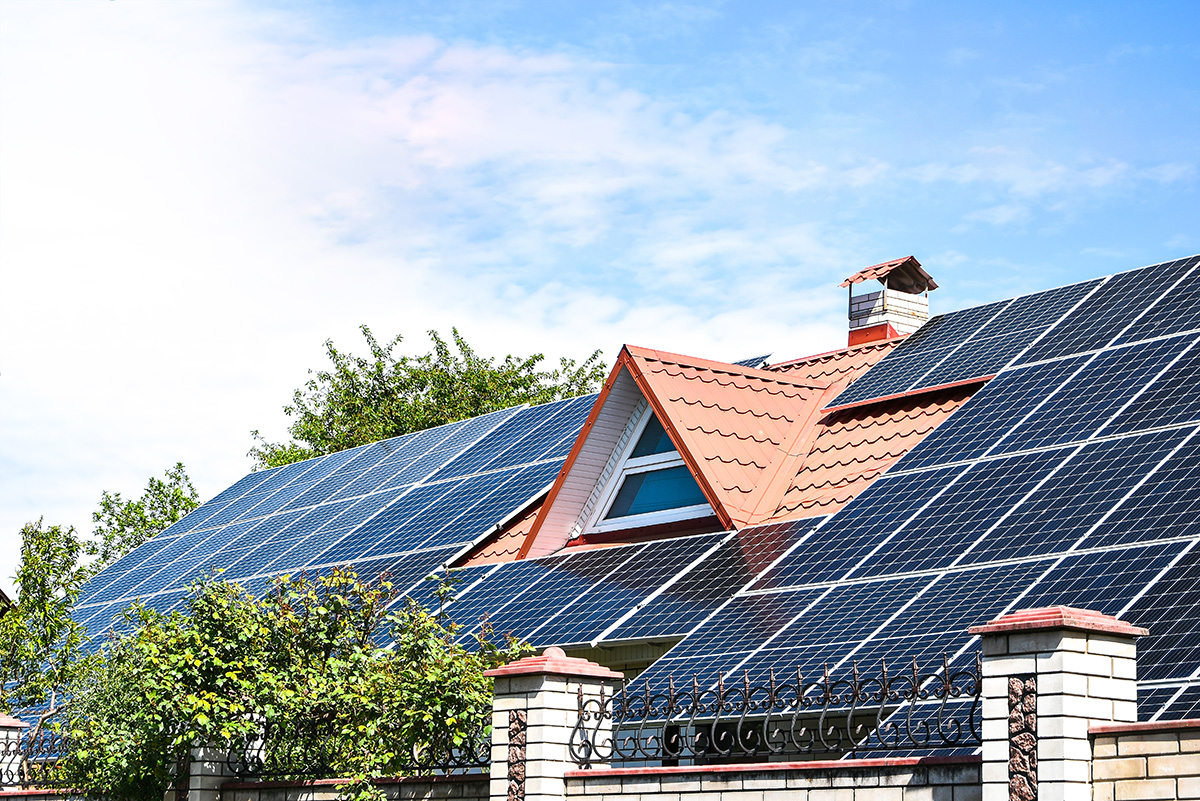
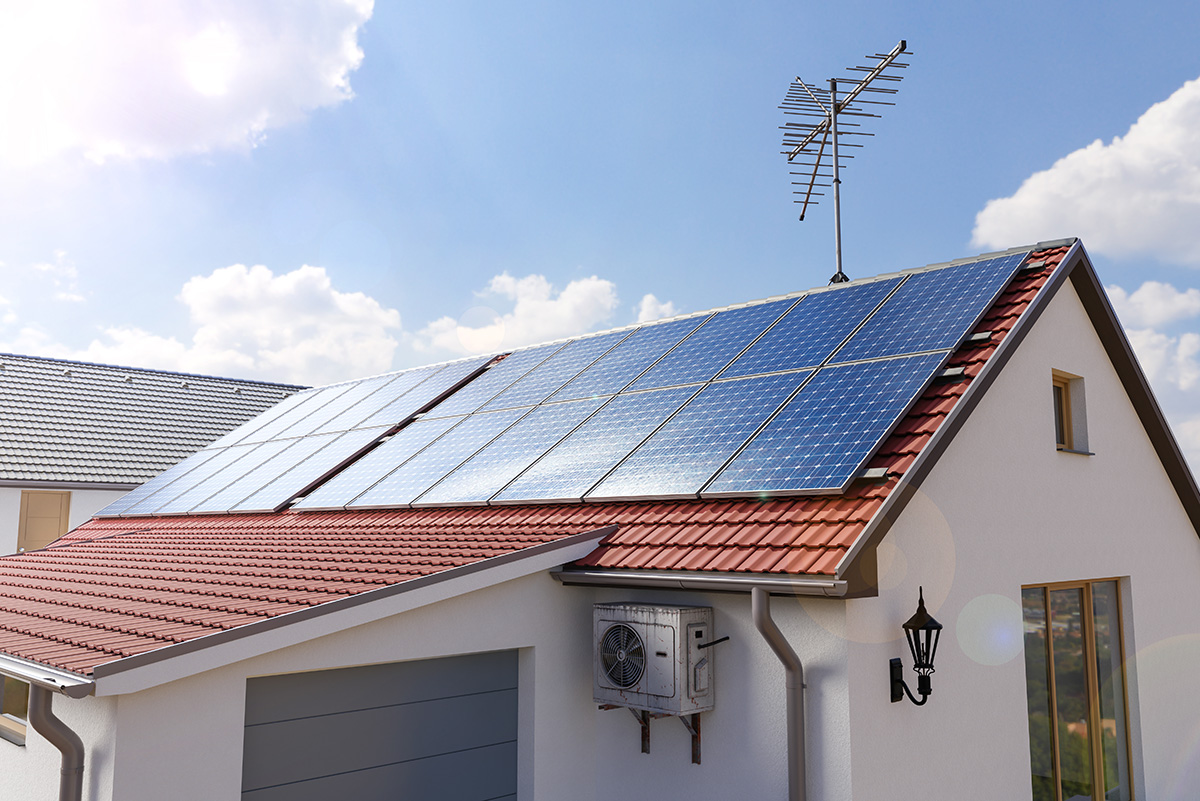
Solar Panels: The heart of the system, solar panels capture sunlight and convert it into direct current (DC) electricity. The efficiency and quality of the panels determine the overall performance of the system.
-
Inverter: The inverter is a crucial component that converts the DC electricity generated by the solar panels into alternating current (AC) electricity, which is compatible with household appliances and can be fed into the grid.
-
Metering Device: A bi-directional meter is used to measure the amount of electricity produced by the solar panels and the amount fed back into the grid. It helps in tracking energy consumption and production, essential for net metering.
-
Grid Connection: The system is connected to the local electricity grid, allowing for the transfer of surplus energy produced by the solar panels. This connection ensures that when the panels aren’t producing enough electricity, you can still draw power from the grid.
-
Monitoring System: Many on-grid systems include a monitoring system that allows you to track the performance of your solar panels in real-time, helping you understand energy production and consumption patterns.
How Does It Work?
An on-grid solar system works by converting sunlight into electricity and synchronizing with the grid to manage energy usage:
-
Energy Generation: Solar panels installed on your roof or ground-mounted capture sunlight and convert it into DC electricity. The amount of electricity generated depends on factors such as panel efficiency, orientation, tilt angle, and the amount of sunlight available.
-
Energy Conversion: The DC electricity produced by the panels is sent to the inverter, where it is converted into AC electricity, the standard form used by household appliances and the electricity grid.
-
Energy Utilization: The AC electricity generated can be used to power your home or business directly. Any surplus electricity that is not immediately used is fed back into the grid through the grid connection.
-
Grid Interaction: When your solar panels produce more electricity than you need, the excess is sent to the grid, and you receive credits through a process called net metering. These credits can be used to offset the cost of the electricity you draw from the grid when your panels aren’t producing enough power, such as at night or during cloudy days.
-
Energy Consumption: If your energy needs exceed what your solar panels produce, the additional electricity is automatically drawn from the grid, ensuring a continuous power supply.
Benefits
An on-grid solar system offers several advantages, making it a popular choice for homeowners and businesses:
-
Cost Savings: By generating your own electricity, you can significantly reduce your electricity bills. Net metering allows you to offset your grid usage with the excess energy you produce, leading to further savings.
-
Simplicity: On-grid systems are relatively simple to install and maintain, as they do not require batteries or complex energy storage solutions.
-
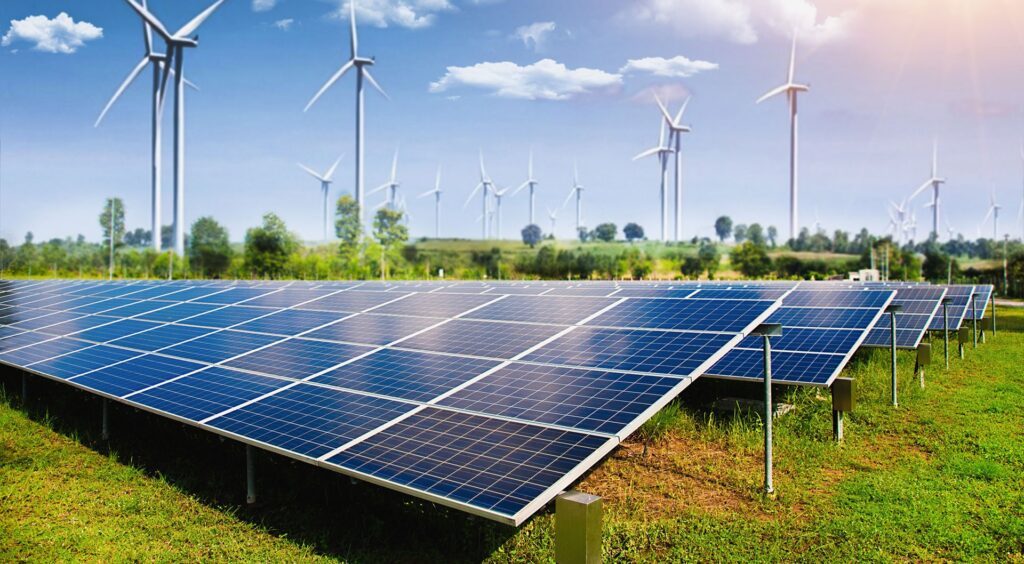
Environmental Impact: Using solar energy reduces your carbon footprint and dependence on fossil fuels, contributing to a cleaner environment.
-
Scalability: On-grid systems can be easily expanded by adding more panels to increase energy production, allowing you to adjust to growing energy needs.
-
Reliability: With a grid connection, you always have access to electricity, even if your solar panels aren’t producing power.
Drawbacks
While on-grid systems offer many benefits, there are also some potential drawbacks to consider:
-
Grid Dependence: An on-grid system cannot operate independently of the grid. If there is a power outage, your system will shut down to prevent back-feeding electricity into the grid, which can be dangerous to utility workers.
-
No Backup Power: Without battery storage, an on-grid system doesn’t provide backup power during outages. This can be a significant disadvantage in areas with frequent or prolonged power outages.
-
Energy Prices: The financial benefits of an on-grid system are closely tied to local electricity prices and net metering policies. Changes in these factors can impact the savings you achieve.
-
Upfront Costs: Although on-grid systems can save money in the long term, the initial installation cost can be high, depending on the size and quality of the system.
How to Install an On-Grid Solar System
Installing an on-grid solar system involves several key steps:
-
Site Assessment: A professional will assess your property to determine the best location for solar panels, taking into account factors such as roof orientation, shading, and available space.
-
System Design: Based on the assessment, a customized solar system will be designed to meet your energy needs and maximize efficiency.
-
Permits and Approvals: Before installation can begin, you’ll need to obtain the necessary permits and approvals from local authorities and your utility company. This process ensures that your system meets all safety and regulatory requirements.
-
Installation: A qualified installation team will mount the solar panels, connect the inverter, and link the system to the grid. The installation process typically takes a few days to complete.
-
Inspection and Activation: Once installed, the system will be inspected by local authorities and your utility company to ensure it’s safe and compliant. After passing inspection, the system will be activated, and you can start generating solar power.
-
Monitoring: After installation, you can monitor the performance of your system through an app or online portal, ensuring it operates efficiently and meets your energy needs.
Conclusion
An on-grid solar system is an excellent choice for those looking to reduce their electricity bills and environmental impact while maintaining a reliable power supply. By leveraging the grid connection, you can enjoy the benefits of solar energy without the need for complex and costly battery storage. However, it’s essential to consider the system’s limitations and ensure it aligns with your specific needs and local regulations. With the right planning and professional installation, an on-grid solar system can provide sustainable, cost-effective energy for years to come.